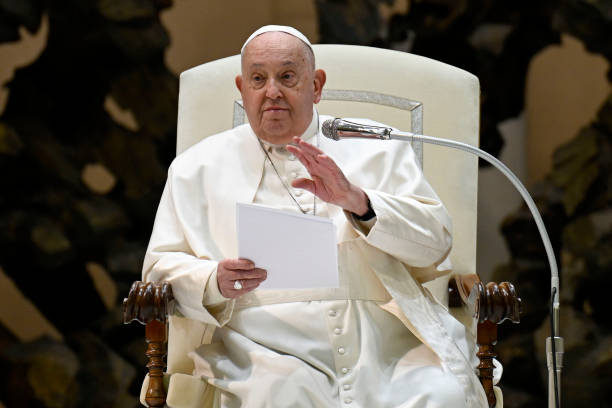
Friday, 10 October 2025

The Journey of Mother Mary: Listening, Believing, Suffering, and Rejoicing in Glory

Dear brothers and sisters in Christ,

The life of the Blessed Virgin Mary is a sacred journey — a path marked by listening, believing, suffering, and finally rejoicing in glory.
In every stage of her life, Mary shows us how a disciple of Christ must walk with God through faith and love.

1. Listening: The Beginning of Faith

Mary’s journey begins with listening.
When the angel Gabriel came to her with the message of God, she did not speak first — she listened.
Her silence was not emptiness but openness; her heart was ready to receive the Word.

In a world full of noise and haste, Mary reminds us that true faith begins in attentive silence.
She listened not only to the angel’s message but to God speaking in the ordinary events of life — in Joseph’s faith, in the shepherds’ song, in Simeon’s prophecy, and even in the silence of Nazareth.

The Church, too, must learn from Mary to be a listening Church — attentive to the Word of God, to the cry of the poor, and to the voice of the Spirit.

2. Believing: The Strength of Faith

Mary’s listening leads to believing.
At the Annunciation, she uttered her humble and courageous “Yes”:
“Be it done unto me according to your word.” (Luke 1:38)

She believed what seemed impossible — that God’s promise would be fulfilled through her.
As Elizabeth declared, “Blessed is she who believed.” (Luke 1:45)

Mary believed when she carried the Son of God in her womb.
She believed when she fled into Egypt and when she sought her lost child in the Temple.
Her faith remained firm even when her heart was pierced by sorrow at the Cross.

Her faith was not blind; it was trust born of love.
Through her, the Church learns to believe in God’s promises even in the face of uncertainty and fear.

3. Suffering: The Purification of Love

Every great faith must pass through the fire of suffering.
For Mary, suffering was not a punishment but a participation in her Son’s redemptive love.

From the moment she presented the Child Jesus in the temple, hearing Simeon’s prophecy — “A sword will pierce your soul” — she carried within her a silent cross.
She suffered as she watched her Son misunderstood, rejected, and finally crucified.

Yet, she never turned away. Standing at the foot of the Cross, she became the Mother of all believers — sharing in Christ’s pain and offering her own heart to God.

In her suffering, Mary teaches us that love is faithful even when it bleeds.
The Church, like Mary, is called to share in the sufferings of Christ so as to share also in His resurrection.

4. Rejoicing in Glory: The Fulfillment of Hope

After her earthly journey of faith and sorrow, Mary was assumed body and soul into heaven — and crowned as Queen of Heaven and Earth.
Her Assumption is not the end of her story, but the beginning of her eternal joy in God’s presence.

Now she rejoices in glory, united perfectly with her Son.
She lives forever as a sign of hope for the Church — the first among the redeemed, the image of what the whole Church is called to become.

In Mary’s glorification, we see the promise of our own destiny: to live forever in communion with the Father, Son, and Holy Spirit.
As Pope John Paul II said, “In the glory of Mary, the Church already contemplates what she herself is called to be.”

Conclusion: Following Mary’s Journey

Dear friends,
Mary’s journey — listening, believing, suffering, and rejoicing — is the pattern for every disciple and for the whole Church.
To listen as she listened, to believe as she believed, to suffer as she suffered, and to rejoice as she rejoices — this is the path to holiness.

In her, we see that the road of faith leads through the Cross to the crown.
Let us walk with her, trusting that her maternal hand will guide us from the shadows of pain to the light of eternal joy

Mary and the Church: Mother, Model, Intercessor, Heart, and Future


Dear brothers and sisters in Christ,

Today, as we turn our gaze toward the Blessed Virgin Mary, we discover in her the deepest image of the Church — her motherly face, her faithful heart, and her heavenly destiny.
The Catechism of the Catholic Church (CCC 963–972) beautifully reveals Mary’s inseparable relationship with the Church. She is at once its Mother, Model, Intercessor, Heart, and Future.

1. Mary, the Mother of the Church (CCC 963–970)

The Catechism teaches that Mary’s motherhood toward the Church flows directly from her divine motherhood of Jesus.
“She is clearly the mother of the members of Christ, since she has by her charity joined in bringing about the birth of believers in the Church.” (CCC 963)

At the foot of the Cross, Jesus entrusted His Mother to the beloved disciple, saying, “Behold, your mother.” (John 19:27)
In that moment, Mary became the spiritual Mother of all believers — the Mother of the Church.

From Pentecost onward, she gathers and nurtures the faithful with her prayer, just as she once held the infant Jesus in her arms.
Her motherhood continues even now, for she accompanies the pilgrim Church with tenderness and care, leading her children toward her Son.

2. Mary, the Model of the Church (CCC 967–968)

The Catechism proclaims that “Mary is the model of the Church in faith, charity, and perfect union with Christ.” (CCC 967)
Her entire life was a “yes” to God — from the Annunciation to the foot of the Cross.

Mary believed before she saw, trusted before she understood, and obeyed before she was certain.
In her, the Church sees what it is called to be: a community that listens to the Word, treasures it, and brings it to life through service and love.

Her journey of faith mirrors the Church’s own path — listening, believing, suffering, and finally rejoicing in glory.
To imitate Mary is to live as the Church must live: open to the Spirit, faithful to Christ, and fruitful in love.


3. Mary, the Intercessor of the Church (CCC 969)

Mary’s maternal care did not end with her earthly life.
As the Catechism teaches, “Taken up to heaven, she did not lay aside this saving office but by her manifold intercession continues to bring us the gifts of eternal salvation.” (CCC 969)

From her place in heaven, she prays for us constantly, interceding as a mother for her children.
We call her “Advocate, Helper, Benefactress, and Mediatrix” — titles that express not her power apart from Christ, but her closeness to Him who is the one Mediator between God and humanity.

Through her prayer, she unites our petitions with the perfect prayer of her Son.
The Church turns to her in every age, confident that a mother’s heart never forgets her children.

4. Mary, the Heart of the Church

In the Upper Room at Pentecost, Mary was present among the disciples — praying, waiting, and uniting hearts in hope. (Acts 1:14)
In that moment, she became the spiritual heart of the Church, beating with love and faith at its very center.

The Church’s life of prayer, contemplation, and love flows from the same interior spirit that animated Mary.
She is the silent presence who reminds us that the Church must always live from the heart — in communion with God, nourished by the Word, and moved by compassion.

Wherever the Church prays, serves, and loves, there Mary’s heart beats quietly within it.


5. Mary, the Future of the Church (CCC 972)

The Catechism concludes its reflection with these words:
“In the meantime, the Mother of Jesus, in the glory which she possesses in body and soul in heaven, is the image and beginning of the Church as it is to be perfected in the world to come.” (CCC 972)

Mary’s Assumption and Queenship show us the destiny that awaits the entire Church — to be united with God forever in glory.
She is the first fruit of redemption and the sign of hope for all believers.

When we look to Mary assumed into heaven, we see what we are meant to become: whole, holy, and one with God.
She stands before us as the radiant future of the Church — humanity fully transformed by divine grace.


Conclusion: Walking with Mary, Living as the Church

Dear brothers and sisters,
Mary’s life reveals the Church’s deepest identity:

  • As Mother, she nurtures us in faith.
  • As Model, she inspires our discipleship.
  • As Intercessor, she prays for our salvation.
  • As Heart, she keeps us united in love.
  • As Future, she shows us our destiny in glory.

To walk with Mary is to walk the path of the Church — a path of faith, love, prayer, and hope that leads to eternal communion with God.

As we honor her today, let us renew our trust in her maternal care and imitate her in every step of our Christian journey.
May she lead us, her children, to the fullness of life in Christ — her Son and our Lord.

Mary and the Church: Model of Faith, Action, and Fruit


Dear brothers and sisters in Christ,

Today, as we reflect on the life of Mother Mary, we are reminded that she is not only the Mother of Jesus but also the Mother and Model of the Church. Her journey of faith, her readiness to act in love, and the divine fruit of her life reveal what the Church is called to become — a community united with God through Christ.

1. Mary: Model of Faith for the Church

Mary’s faith begins with a simple yet profound “Yes”“Be it done unto me according to your word.” (Luke 1:38)
That moment of surrender became the beginning of salvation history fulfilled in Christ.

Pope Saint John Paul II, in his Apostolic Letter Rosarium Virginis Mariae, calls Mary “the first of believers” who teaches the Church how to see the face of Christ through the eyes of faith.
Even when she could not fully understand God’s plan — at Nazareth, in Bethlehem, at Calvary — she trusted completely.

The Church, too, learns from Mary to live by faith — to believe even when the path is dark, to trust when understanding fails, and to remain steadfast when suffering comes.
In every age, Mary’s faith mirrors the faith of the Church that walks in hope toward God’s promise.

2. Mary: Model of Action for the Church

Mary’s faith was never passive. The moment she received the Word of God, she “arose and went with haste” (Luke 1:39) to serve her cousin Elizabeth.
This simple gesture of love shows that authentic faith must become visible in acts of charity.

Her visit to Elizabeth became the first missionary journey — carrying Christ silently within her, she brought joy to another household.
Her Magnificat“My soul magnifies the Lord” — remains the Church’s hymn of justice, mercy, and praise.

As Pope John Paul II reminds us, Mary’s life unites “contemplation and service.” The Church, following her example, must be both prayerful and active — listening to God’s Word and responding to human need.
In Mary, the Church sees how love becomes service, and service becomes worship.

3. Mary: Model of Fruit — Union with God

The blessed fruit of Mary’s life is Jesus Himself — the Fruit of her womb and the Saviour of the world.
But her fruitfulness did not end there. Because of her complete obedience and holiness, she was assumed body and soul into heaven and crowned as Queen of Heaven and Earth.

Her Assumption is not only her reward; it is a promise to the Church. It reveals the destiny of every believer who lives in faith and love.
In her, humanity has already reached the fullness of union with God — body and soul transformed by divine grace.

Mary’s Queenship flows from her total communion with her Son. It is not a crown of privilege, but of perfect love.
When we follow Mary — in our words, deeds, and actions — we too grow in holiness and move toward that same divine union.
Through her intercession, the Church continues to bear fruit in the world — the fruit of faith, hope, and love.


4. Mary and the Birth of the Church

After Jesus’ Ascension, Mary remained in prayer with the disciples in the Upper Room. (Acts 1:14)
There, she became the heart of the waiting Church, uniting the apostles in faith and expectation.
On Pentecost day, as the Holy Spirit descended, the Church was born — and Mary was there, just as she had been present at the birth of Jesus.

She who once gave birth to the Son of God now helped bring forth the Body of Christ, the Church.
Her silent prayer held the frightened disciples together and prepared them for mission.

As Pope John Paul II writes, Mary is “the contemplative memory of the Church.”
Even today, she prays with us and for us — that we may remain united, faithful, and filled with the Holy Spirit.

Conclusion: Mary, Mother and Mirror of the Church

Dear friends,
in Mary, we see what the Church is called to be:

  • A woman of faith, trusting completely in God’s plan.
  • A woman of action, bringing Christ to others through love and service.
  • A woman of fruit, living in perfect union with God and bearing the fruits of holiness.

Her Assumption shows us the goal of our journey — to live forever in communion with the Father, through Christ, in the Spirit.
Her presence at Pentecost shows us the way — to remain united in prayer and mission as one family of believers.

As Pope John Paul II beautifully said, “To contemplate the face of Christ with Mary is to learn from her to be conformed to her Son.”
May we, by walking with Mary, reflect the face of Christ in our world and share one day in the glory she now enjoys in heaven.

Tuesday, 22 April 2025

Evolving the Person: Pope Francis Through His Teachings


Pope Francis emerges from his writings as a man of deep interior life, forged in the crucible of prayer, suffering, and pastoral engagement. His theology is never detached from lived experience. Rather, it is born from listening—listening to the cries of the poor, the questions of the young, the fragility of families, the wounds of creation, and above all, the whisper of the Spirit in the margins of the world.

He is first and foremost a pastor with the smell of the sheep—a shepherd who believes that leadership is about proximity, not prestige. His call for a "Church that goes forth" is not rhetorical; it mirrors his own journey: from the barrios of Buenos Aires to the Vatican, he has walked with the forgotten, often preferring the peripheries over palaces. This pastoral closeness defines his vision of the Church—not as a fortress of purity but as a field hospital for the wounded.

Francis is also a man of discernment, deeply shaped by Ignatian spirituality. He speaks often of listening to the “movements of the heart” and of distinguishing between the voice of God and the spirit of the world. His governance reflects this prayerful attentiveness. He is cautious of ideology and rigid systems, whether they come from the left or the right, because he sees how easily they replace persons with principles. For Francis, reality is always more important than ideas. Thus, his teachings seek not to impose from above but to accompany from within.

As a prophet of mercy, Francis stands in continuity with the great tradition of the Church, yet speaks with fresh urgency. His insistence on mercy is not weakness but strength; it is the heart of the Gospel, and it defines his reading of everything from doctrine to discipline. He reminds us again and again that “the name of God is Mercy,” and that the Church must be a place of welcome, not exclusion. This vision is radically inclusive, but never superficial—it calls people to holiness through love, not fear.

Pope Francis is also a poet of creation, who sees the world not as a resource to be consumed, but as a sacrament to be reverenced. In Laudato Si’, he weaves theology, science, and poetry into a moral imperative that is both global and deeply personal. His language is tender, even lyrical, but his call is fierce: we must change our ways—not only to save the Earth, but to save ourselves from a culture of death disguised as progress.

At the same time, he is a reformer with the patience of a gardener. He does not seek instant revolutions, but slow, sustained renewal from within. He reforms by returning to the roots—of the Gospel, of the Fathers, of the Church’s living tradition. Whether through the synodal process or his reform of the Curia, he tries to nurture a Church that listens, includes, and walks together. Reform, for him, is not about structures alone but about conversion—beginning with himself.

His writings also reveal a grandfatherly affection for the young. In Christus Vivit, he speaks not as a distant authority but as a friend on the journey. He believes in young people—not just as learners, but as teachers of joy, creativity, and authenticity. He dreams of a Church with young faces, young hearts, and bold steps, even as he carries the wisdom of age and experience.

Above all, Pope Francis is a man of trust—a mystic grounded in the ordinary, whose soul echoes the “Little Way” of Saint Thérèse and the daring of Saint Francis of Assisi. He places his confidence not in worldly strategies or ecclesial success but in the grace of God, the intercession of Mary, and the working of the Holy Spirit in unexpected places.

To encounter Pope Francis in his writings is to meet a man who is at once deeply traditional and courageously contemporary. He has not come to dismantle the Church but to open its windows wide, to let in the fresh air of the Spirit and the cries of humanity. His is a magisterium of accompaniment, leadership of listening, and a sanctity of humility.

In him, we see a model of what it means to be both a disciple and a leader in the modern world: grounded in Christ, attentive to the signs of the times, open to all, and always walking forward with the hope of resurrection.


A Magisterium of Heart and Mission of Pope Francis


The magisterium of Pope Francis, as expressed in his encyclicals and apostolic exhortations, reflects a deeply pastoral and missionary vision of the Church. It is a vision rooted in the Gospel, responsive to the cries of humanity, and sustained by a profound trust in the transformative power of divine mercy. Across his writings, there emerges a consistent call: to live the faith not as a set of abstract doctrines, but as a journey of love, relationship, and compassionate engagement with the world. This vision is shaped by the conviction that the Church must go forth, accompanying the wounded, listening to the forgotten, and building bridges of fraternity and hope.

Francis’s first encyclical, Lumen Fidei (The Light of Faith), completes the theological reflection initiated by Pope Benedict XVI. Here, faith is presented not as a private comfort or intellectual assent, but as a communal light that connects past generations to the present in a living tradition. Faith is rooted in encounter, memory, and trust, shaping a vision of reality that embraces reason without reducing mystery. In an age often marked by skepticism and fragmented truth, the encyclical invites believers to rediscover faith as a source of unity, coherence, and moral strength, lived within the Body of Christ.

In Laudato Si’, Francis calls for an ecological conversion that sees creation not as a possession to be exploited, but as a sacred trust. The Earth, our common home, is crying out under the weight of consumerism, waste, and indifference. The ecological crisis is not merely environmental; it is deeply moral and spiritual, revealing how the degradation of nature is intimately linked to the suffering of the poor. Integral ecology, the heart of this encyclical, insists that care for creation must be united with justice for the marginalized, reverence for all forms of life, and a reorientation of our lifestyles toward simplicity, wonder, and solidarity.

With Fratelli Tutti, the Pope advances his reflection on social friendship and the need for universal fraternity in a fractured and polarized world. Drawing from the parable of the Good Samaritan, he proposes a vision of politics grounded in mercy, openness, and human dignity. This encyclical confronts the growing tide of nationalism, exclusion, and populism with a counter-cultural call to encounter, dialogue, and mutual care. Francis articulates the need for a new kind of global community—one that rejects indifference, fosters collaboration, and upholds the sacredness of every person, regardless of borders or beliefs.

In Dilexit Nos, the most recent encyclical, Francis turns the gaze of the Church toward the Sacred Heart of Jesus, the symbol of divine love that heals and renews. This document is contemplative and pastoral, inviting the Church to rediscover the source of its mission in the pierced Heart of Christ. Love, in this vision, is not a vague sentiment but a concrete act of self-gift, a path of mercy and tenderness. In a time of wounded relationships and spiritual fatigue, the Sacred Heart offers rest, meaning, and a renewed capacity to love and serve.

Francis’s apostolic exhortations deepen this vision by applying it to various contexts of Christian life and mission. Evangelii Gaudium, his programmatic text, outlines a Church that is constantly going forth, animated by the joy of the Gospel. Evangelization, he insists, must be fueled by personal encounter with Christ, marked by compassion and attentiveness to the poor, and liberated from rigidity, bureaucracy, and fear. The Church must not be content with maintenance but must embrace conversion, creativity, and courage.

In Amoris Laetitia, the Pope brings the same pastoral sensitivity to the realities of family life. This exhortation does not present abstract ideals but accompanies families in their struggles, joys, and complexities. Rather than condemning or excluding, it invites discernment, dialogue, and gradual growth in love. The Church’s mission, here, is not to impose burdens but to offer support, to walk with people where they are, and to proclaim that love is always possible, even in imperfection.

Gaudete et Exsultate brings holiness out of the monastery and into everyday life. Francis reminds us that sanctity is not reserved for the elite or the extraordinary but is lived in small gestures, in patience, in joy, and in fidelity. The Beatitudes become the roadmap for holiness, challenging the illusions of power and success. Holiness, in this vision, is not perfectionism but openness to grace, trust in God, and commitment to justice and mercy in the ordinary moments of life.

In Christus Vivit, the Pope speaks directly to young people, but his message resounds for the whole Church. Christ is alive, and he desires to be close to every heart. This exhortation emphasizes vocation as a personal calling to joy and service, and it urges the Church to accompany youth with authenticity, listening, and trust. Young people are not just the future; they are the now of God, capable of transforming the world through their energy, generosity, and dreams.

Querida Amazonia is both poetic and prophetic. It envisions a Church deeply rooted in the lives and cultures of the Amazon, listening to indigenous peoples, defending their rights, and finding new forms of presence and ministry. Francis’s four dreams—social, cultural, ecological, and ecclesial—form a tapestry of hope and challenge. The document calls for respectful inculturation, deeper integration of women in ministry, and a renewed appreciation for creation as sacrament.

In Laudate Deum, Pope Francis continues the ecological appeal of Laudato Si’, but with greater urgency. He confronts the failure of political systems to address climate change, the superficiality of greenwashing, and the dangers of technological control over human life. Yet, he does not give in to despair. The exhortation reaffirms that real change is possible through grassroots action, international cooperation, and a renewed sense of moral responsibility. True ecological conversion requires both personal commitment and structural transformation.

Finally, in C’est la Confiance, Francis offers a spiritual gem inspired by the “Little Way” of St. Thérèse of Lisieux. Trust in the merciful love of God, rather than fear or scrupulosity, becomes the path to holiness. Simplicity, childlike surrender, and loving presence are not signs of weakness but of strength. In a world obsessed with achievement, this exhortation proposes the radical gospel of littleness—a revolution of confidence in grace.

Throughout all these writings, certain threads run consistently. Francis invites the Church to embody mercy over judgment, presence over prestige, dialogue over dogmatism, and service over self-reference. His magisterium is not primarily one of theological novelty, but of evangelical fidelity—bringing old truths to bear on new wounds, and renewing the Church’s mission through closeness, tenderness, and prophetic witness.

This is truly a magisterium of heart and mission—a vision of the Church that listens, heals, proclaims, and goes forth. It is a magisterium rooted in the Gospel of Christ, guided by the Spirit, and profoundly attuned to the cries of our time.


IN GRATEFUL REMEMBRANCE OF POPE FRANCIS


Born in Buenos Aires, Argentina, in 1936, Jorge Mario Bergoglio, Pope Francis, lived a life steeped in faith, humility, and radical service. His journey from a Jesuit novice to the 266th Bishop of Rome was marked by extraordinary compassion, courageous reform, and unwavering solidarity with the poor and marginalized. As the first Jesuit and Latin American Pope, Francis brought a fresh wind to the Church, rekindling its mission with vibrant urgency. His pontificate became a global witness of love that walks, heals, listens, and embraces.

EARLY LIFE AND CALL TO PRIESTHOOD

Before embracing the call to priesthood, Jorge Bergoglio lived a life that reflected resilience and grounded humility. He worked as a janitor and even served as a nightclub bouncer—experiences that shaped his down-to-earth approach to people and their struggles. At the age of seventeen, a profound confession stirred a deep interior conversion, leading him to join the Society of Jesus in 1958. His Jesuit formation and academic pursuits were deeply marked by spiritual depth and intellectual rigor. Ordained in 1969, he later became Provincial Superior of the Jesuits in Argentina during a time of political oppression, where his leadership was characterized by discernment, quiet bravery, and pastoral care amidst conflict.

RISE IN THE CHURCH AND ELECTION TO THE PAPACY

His rise within the Church was quiet but profound. Appointed Auxiliary Bishop of Buenos Aires in 1992 and then Archbishop in 1998, Bergoglio became known for his simplicity and closeness to the people. He declined the luxurious episcopal residence, choosing instead a modest apartment where he cooked his own meals and traveled by bus or train. He was a shepherd who smelled like his sheep.

On the evening of March 13, 2013, the world met him anew—as Pope Francis, stepping onto the balcony of St. Peter’s Basilica with a disarming humility, asking the faithful to pray for him before blessing them. His choice of the name Francis, inspired by St. Francis of Assisi, revealed his desire for a papacy defined by peace, care for the poor, and love for creation.

A PONTIFICATE ROOTED IN APOSTOLIC ACTION


Francis reimagined the Church not as a place of privilege but as a field hospital, tending to the wounds of a suffering world. He ventured to the outskirts of society and the margins of existence, embodying the call to mission with daring tenderness. On Holy Thursdays, he knelt to wash the feet of prisoners, Muslims, and women—signs of radical inclusion. At Lampedusa, he mourned the deaths of countless migrants and condemned a culture of indifference. In Myanmar and Bangladesh, he gave voice to the persecuted Rohingya. He embraced children in war zones, victims of abuse, and the forgotten in slums and refugee camps.

With more than 47 apostolic journeys across five continents, Pope Francis became a pilgrim of peace, making the Gospel visible in the midst of human struggle and joy alike. His presence carried healing; his silence often spoke louder than words.


A MAGISTERIUM OF HEART AND MISSION

The teachings of Pope Francis radiated from the heart of the Gospel. His encyclicals were not just documents but calls to conscience. In Lumen Fidei (2013), he invited believers to rediscover faith as light that unites and clarifies our human path. In Laudato Si’ (2015), he issued an urgent plea for the planet—calling humanity to ecological conversion and integral justice. With Fratelli Tutti (2020), written in the shadow of a global pandemic, he envisioned a world bound by fraternity, where dialogue and solidarity defeat fear and fragmentation. In Dilexit Nos (2024), his final encyclical, he centered the Sacred Heart of Jesus—a love that is wounded yet ever-giving—as the healing source for a weary world.

For Francis, doctrine served love. Faith was never abstract, but always incarnate—feeding the hungry, defending the dignity of the poor, and reconciling enemies through mercy.

A SYNODAL AND LISTENING CHURCH

Perhaps one of the most transformative aspects of his pontificate was the opening of the Church to the process of synodality. Francis believed that the Church should walk together, listen deeply, and discern the Spirit’s promptings in communion. He empowered the voices of youth, women, laypeople, and those long marginalized. The Synod on Synodality was not a mere event but a movement toward a Church that learns by listening and leads through accompaniment.

He often reminded us that the Church is not a fortress to be defended, but a tent to be expanded. By creating space for dialogue and shared responsibility, he rekindled trust in the Holy Spirit as the guide of the Church’s journey.

REFORMS AND SOCIAL IMPACT

Pope Francis’s impact was visible in every sphere of Church and society. He placed the poor at the center of the Church’s mission—not through theory, but through presence and action. He elevated ecological awareness to a spiritual imperative through Laudato Si’, influencing global climate conversations.

In the Vatican, he took bold steps toward transparency and integrity. Financial reforms aimed to root out corruption and rebuild trust in Church institutions. His diplomatic efforts reached across political divides, as seen in his pivotal role in restoring diplomatic ties between Cuba and the United States.

His commitment to dialogue extended beyond Catholicism. He built friendships with leaders of Islam, Judaism, and other world religions, emphasizing the shared call to peace and the dignity of every human person.

Inclusivity marked his papacy. He advocated for greater acceptance of LGBTQ+ individuals, emphasizing their belovedness in the eyes of God. He increased the presence of women in decision-making roles within the Vatican—unprecedented steps in affirming the gifts of women in the life of the Church. His travels to 68 countries, often to places of crisis and vulnerability, made the Church a tangible presence in the midst of global realities.

CHARACTER AND LEADERSHIP STYLE

Pope Francis’s leadership was not managerial—it was profoundly pastoral. He lived simply, laughed easily, cried with the suffering, and embraced the forgotten. His homilies were often short, his gestures long remembered. He embodied the Beatitudes: gentle, merciful, hungering for righteousness, and always a peacemaker. He did not seek popularity but authenticity, and his authority came from the Gospel he lived.

He brought joy to the papacy—not superficial cheer, but the joy that comes from knowing one is deeply loved by God and sent to love in return.

A LIVING LEGACY

Francis leaves behind a Church more humble, more human, and more hopeful. A Church that hears the cry of the Earth and the cry of the poor. A Church that risks dialogue opens its arms to all, and does not fear the messiness of real life.

“The name of God is mercy,” he often said—and in his life, that name became visible.

His words will continue to stir hearts:

"I see the Church as a field hospital after battle... You have to heal wounds. Then we can talk about everything else."

"Let us be moved by the things that matter — by love, by peace, by justice, by mercy."

"Pray for me."

May his legacy of love and courageous faith endure in the heart of the Church and in every soul that seeks to follow Christ with joy.

Pope Francis, Servant of the Servants of God — your memory is a blessing, your witness a path forward.

Sunday, 12 January 2025

Call for a Global Family


Introduction

Pope Francis’ encyclical Fratelli Tutti ("All Brothers") is aheartfelt call for universal fraternity and social friendship in a fragmented world. Rooted in the teachings of Christ and inspired by St. Francis of Assisi, the document provides a vision for a society that transcends borders, divisions, and disparities. It addresses the growing challenges of globalization, conflict, and individualism, urging humanity to rediscover its shared identity and interconnectedness. Pope Francis emphasizes that our collective future depends on our ability to see each other as brothers and sisters, fostering genuine relationships built on respect, empathy, and solidarity. In this context, the encyclical emerges as a roadmap for building a more just, peaceful, and compassionate global community.

Central Theme of Fratelli Tutti

The central theme of Fratelli Tutti is the concept of universal fraternity and social friendship. Pope Francis emphasizes the importance of recognizing our shared humanity and interconnectedness, urging individuals and societies to transcend divisions such as nationality, race, religion, and economic status.

1.      Universal Brotherhood: The encyclical calls for a renewed sense of brotherhood among all people, highlighting that every human being is part of one global family. This entails respecting each person's dignity and fostering relationships based on mutual respect and understanding.

2.      Social Friendship: Pope Francis advocates for building relationships that go beyond superficial interactions, promoting genuine connections that contribute to the common good. Social friendship involves collaboration, empathy, and solidarity in addressing societal challenges.

3.      Social Justice and the Common Good: "Fratelli Tutti" underscores the need for equitable distribution of resources, opportunities, and rights. It calls for structures and systems that prioritize the well-being of all, especially the marginalized and vulnerable.

4.      Dialogue and Peacebuilding: The encyclical encourages open and constructive dialogue as essential tools for resolving conflicts and overcoming divisions. It emphasizes the role of peaceful communication in fostering mutual understanding and cooperation.

5.      Critique of Consumerism and Individualism: Pope Francis critiques modern societal trends that prioritize materialism and individual success over collective well-being and ethical responsibility. He advocates for a shift towards values that promote community and shared prosperity.

6.      Global Challenges and Solidarity: Addressing issues like migration, environmental degradation, and economic inequality, Fratelli Tutti calls for collective action and global solidarity to effectively tackle these pressing problems.

Conclusion

In Fratelli Tutti, Pope Francis presents a profound vision for a world shaped by the principles of universal fraternity and social friendship. He challenges individuals, communities, and nations to rise above the barriers of division and self-interest, embracing a spirit of compassion, dialogue, and cooperation. By addressing urgent global issues such as inequality, migration, and environmental crises, the encyclical underscores the importance of collective responsibility and solidarity. Ultimately, Fratelli Tutti is a timely and transformative invitation to build bridges instead of walls, ensuring that the values of love, justice, and peace guide humanity toward a brighter and more unified future.


Dignity of Humanity (Magnifica Humanitas)

  Introduction Magnifica Humanitas published on 15 th May 2026 is an encyclical letter of his holiness Leo XIV on safeguarding the human ...